
Myth-Busting: Common Misconceptions About Martial Arts Training


Introduction
Martial arts training is an ancient practice that has been surrounded by mystique and misconceptions. While popular media often portrays martial arts in a certain light, the reality is often quite different. In this post, we'll bust some common myths about martial arts training, shedding light on what practitioners can truly expect.
Myth 1: Martial Arts Is Only About Fighting
One of the most prevalent misconceptions is that martial arts solely focuses on combat and fighting. While self-defense is a component, martial arts is much more than that. It emphasizes discipline, respect, and personal development. Many practitioners find that the mental and emotional benefits far outweigh the physical skills acquired.
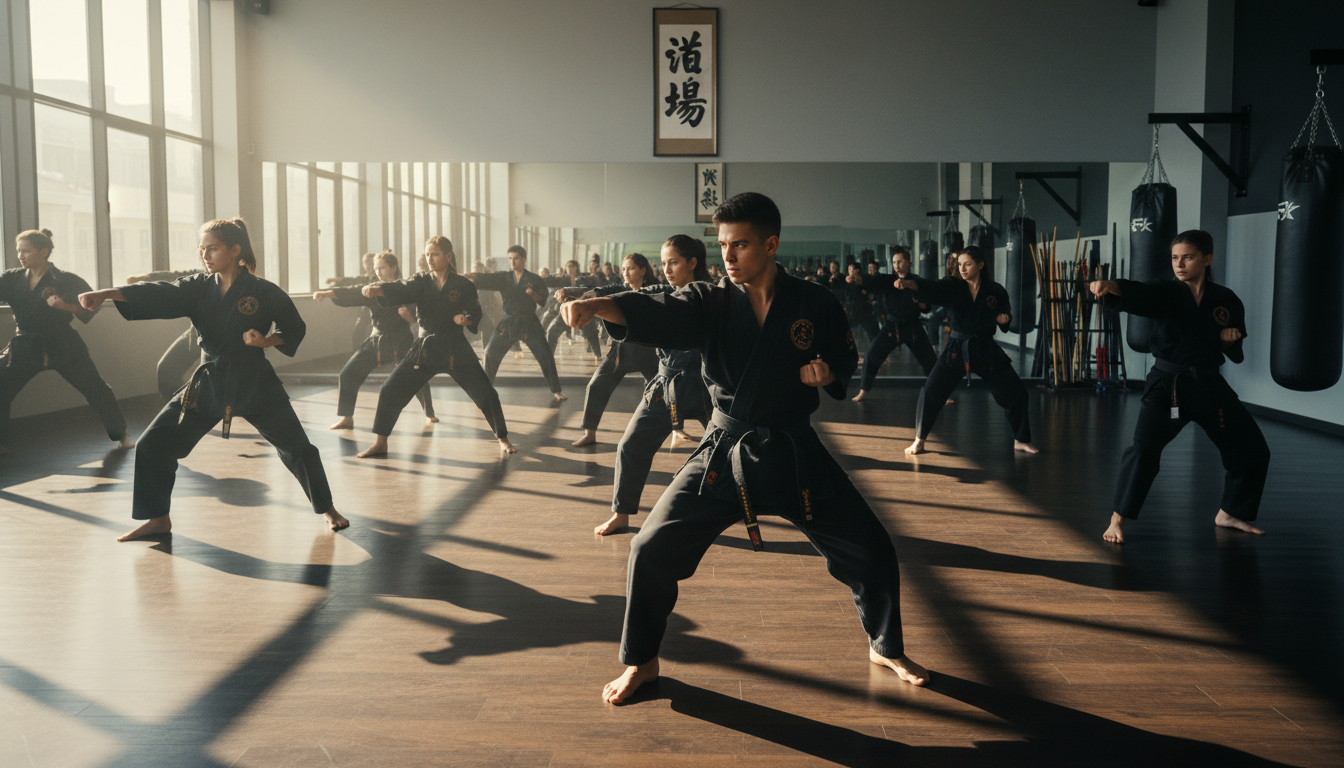
Myth 2: You Have to Be Fit to Start
Another common myth is that you need to be in great shape to begin martial arts training. This couldn't be further from the truth. Martial arts is accessible to people of all fitness levels. Training sessions are often tailored to individual capabilities, allowing everyone to progress at their own pace.
Beginners will find that martial arts gradually improves their fitness, flexibility, and endurance over time. The key is consistency and dedication, not starting with a perfect physique.
Myth 3: Martial Arts Is Only for the Young
Many people believe that martial arts is an activity reserved for the young. In reality, martial arts can be practiced by individuals of all ages. Whether you're a child, a teenager, or enjoying your golden years, martial arts offers a path to improved health and well-being.
Older adults often discover that martial arts helps improve balance, coordination, and mental acuity. Age is truly just a number when it comes to embracing this lifelong journey.
Myth 4: It's Just About Physical Strength
Martial arts is frequently thought to be all about brute strength. However, technique, strategy, and mental focus play a much more significant role than sheer physical power. Practitioners learn to leverage their body mechanics and mind, making martial arts a discipline that values skill over strength.
This emphasis on technique allows individuals of smaller stature to effectively defend themselves against larger opponents, proving that martial arts is truly an art form.

Myth 5: All Martial Arts Are the Same
There is a misconception that all martial arts styles are identical. In fact, martial arts encompasses a wide variety of styles, each with its own philosophy, techniques, and cultural background. From the fluid movements of Tai Chi to the powerful strikes of Muay Thai, there is a style to match every personality and goal.
Choosing the right style depends on what you seek to gain from martial arts, whether it's self-defense, fitness, or personal growth. Exploring different styles can lead to a richer understanding of this diverse practice.
Conclusion
Uncovering the truth about martial arts training reveals a world rich in diversity and personal development. By dispelling these common myths, individuals can better understand the true essence of martial arts and embark on a journey that offers more than just physical prowess. Whether you're seeking self-improvement, discipline, or self-defense, martial arts has something to offer everyone.