
Common Misconceptions About Martial Arts: Debunked


Unveiling the Truth About Martial Arts
Martial arts have long been surrounded by myths and misconceptions. From Hollywood portrayals to common stereotypes, these misconceptions often cloud the true essence of martial arts. In this post, we aim to debunk some of the most prevalent myths.
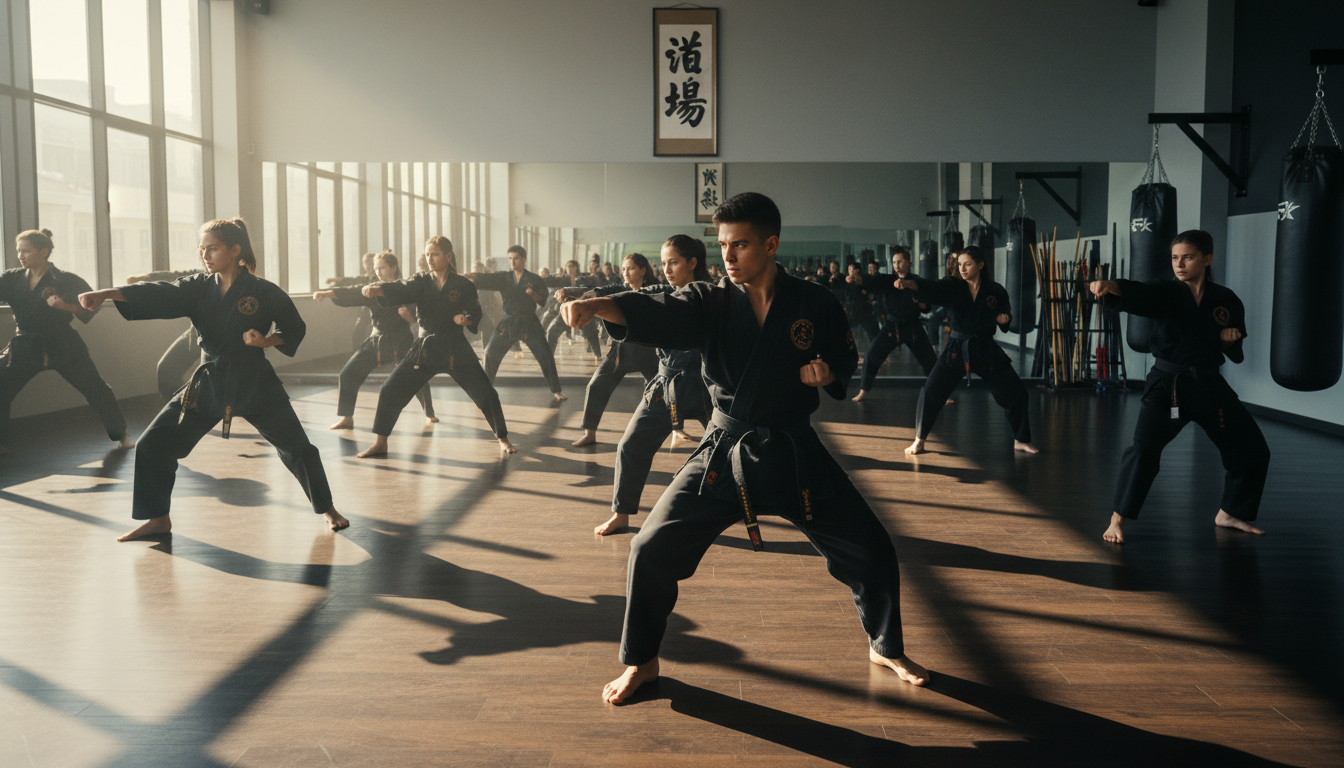
Myth 1: Martial Arts Are All About Fighting
A common misconception is that martial arts solely focus on combat and aggression. While self-defense is a component, martial arts encompass much more than fighting. These disciplines emphasize personal growth, mental fortitude, and self-discipline.
Many practitioners find that martial arts help them develop valuable life skills such as patience, respect, and focus. The training often includes meditation and philosophy, promoting a balanced approach to life.

Myth 2: Martial Arts Are Only for the Young and Fit
Another myth is that martial arts are exclusive to the young or incredibly fit. In reality, martial arts are accessible to people of all ages and fitness levels. Whether you're a child, adult, or senior, there's a place for you in martial arts training.
- Many schools offer beginner classes tailored to different age groups.
- Practicing martial arts can improve flexibility, strength, and overall health.
- It's never too late to start and reap the benefits.
Myth 3: All Martial Arts Are the Same
It's easy to assume that all martial arts disciplines are identical, but this couldn't be further from the truth. Each martial art has its unique techniques, philosophies, and cultural backgrounds. For instance:
- Karate focuses on striking techniques.
- Judo emphasizes throws and grappling.
- Taekwondo is known for its high kicks and fast-paced movements.
Understanding these differences can help you choose the right martial art that aligns with your interests and goals.
Myth 4: Martial Arts Promote Violence
Some people believe that learning martial arts encourages violence. However, the opposite is true. Martial arts teach respect, self-control, and conflict resolution. Practitioners are trained to avoid conflicts and use their skills responsibly.
Instructors often emphasize the importance of using martial arts for self-defense only when absolutely necessary, fostering a peaceful mindset.
Myth 5: Martial Arts Require Expensive Gear
Finally, there's a belief that practicing martial arts requires a significant investment in gear. While some advanced practitioners may invest in specialized equipment, beginners usually need minimal gear, such as a uniform and protective gear, which are often provided by the training school.
Many schools offer rental options or second-hand gear to help newcomers get started without a hefty financial commitment.
By debunking these myths, we hope to provide a clearer understanding of martial arts. Whether you're interested in self-defense, fitness, or personal growth, martial arts offer a rewarding journey that transcends common misconceptions.